 01
Music & entertaining
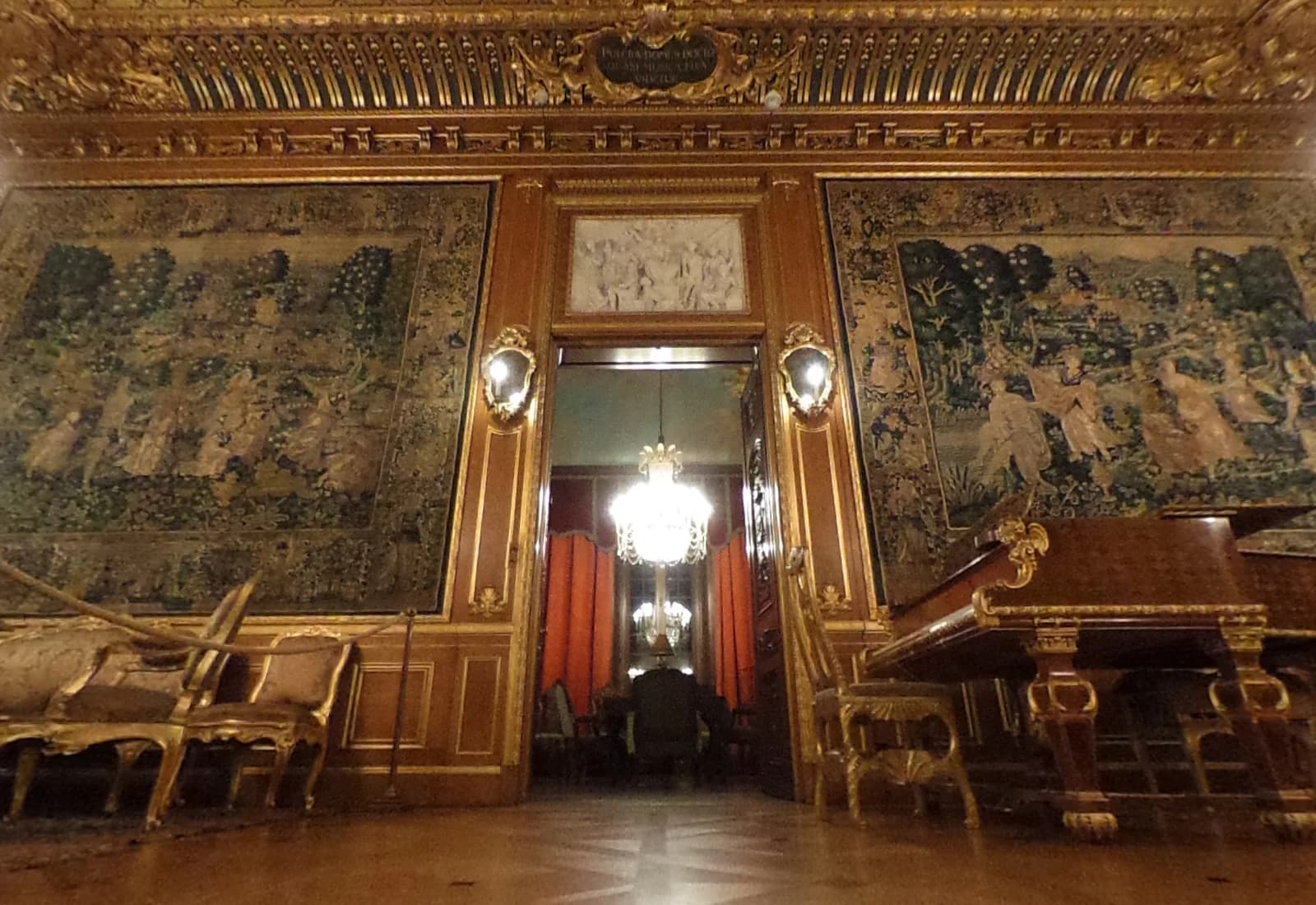
Great Drawing Room
Gilded woodwork, historic Brussels tapestries and a grand piano set the scene for music and entertaining.
Museum room notesStockholm, Sweden The house at Hamngatan 4
A collector’s world. Beautifully preserved.
Step inside the home of Wilhelmina and Walther von Hallwyl. Four historic rooms reveal a life surrounded by art, craft and extraordinary detail.
Explore in 360°A closer look
Gilded splendour, personal portraits and the quiet rituals of everyday life.
01Music & entertaining
Gilded woodwork, historic Brussels tapestries and a grand piano set the scene for music and entertaining.
Museum room notes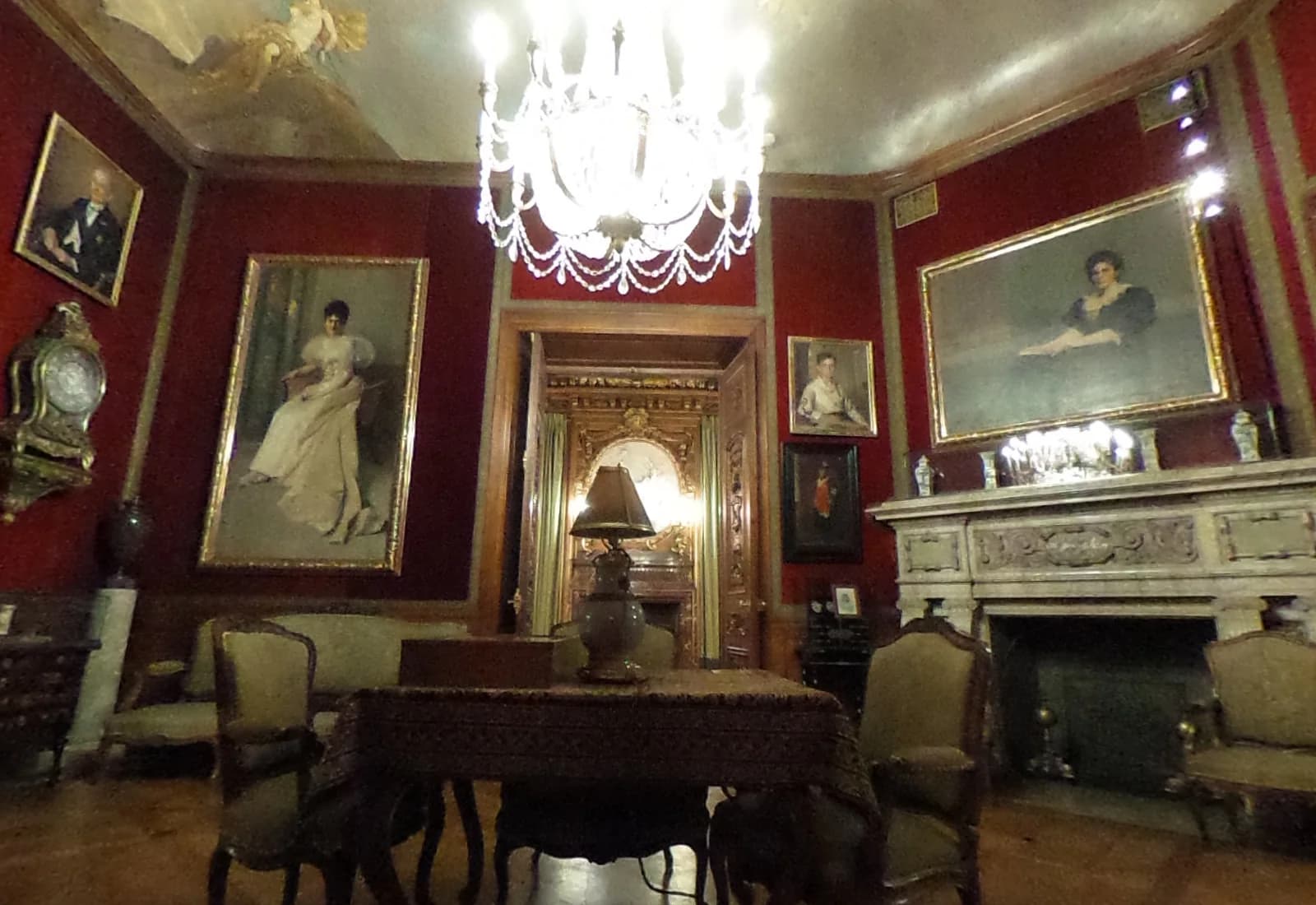 02
Portraits & everyday life
Surrounded by family portraits, Wilhelmina received visitors and attended to her correspondence here.
Museum room notes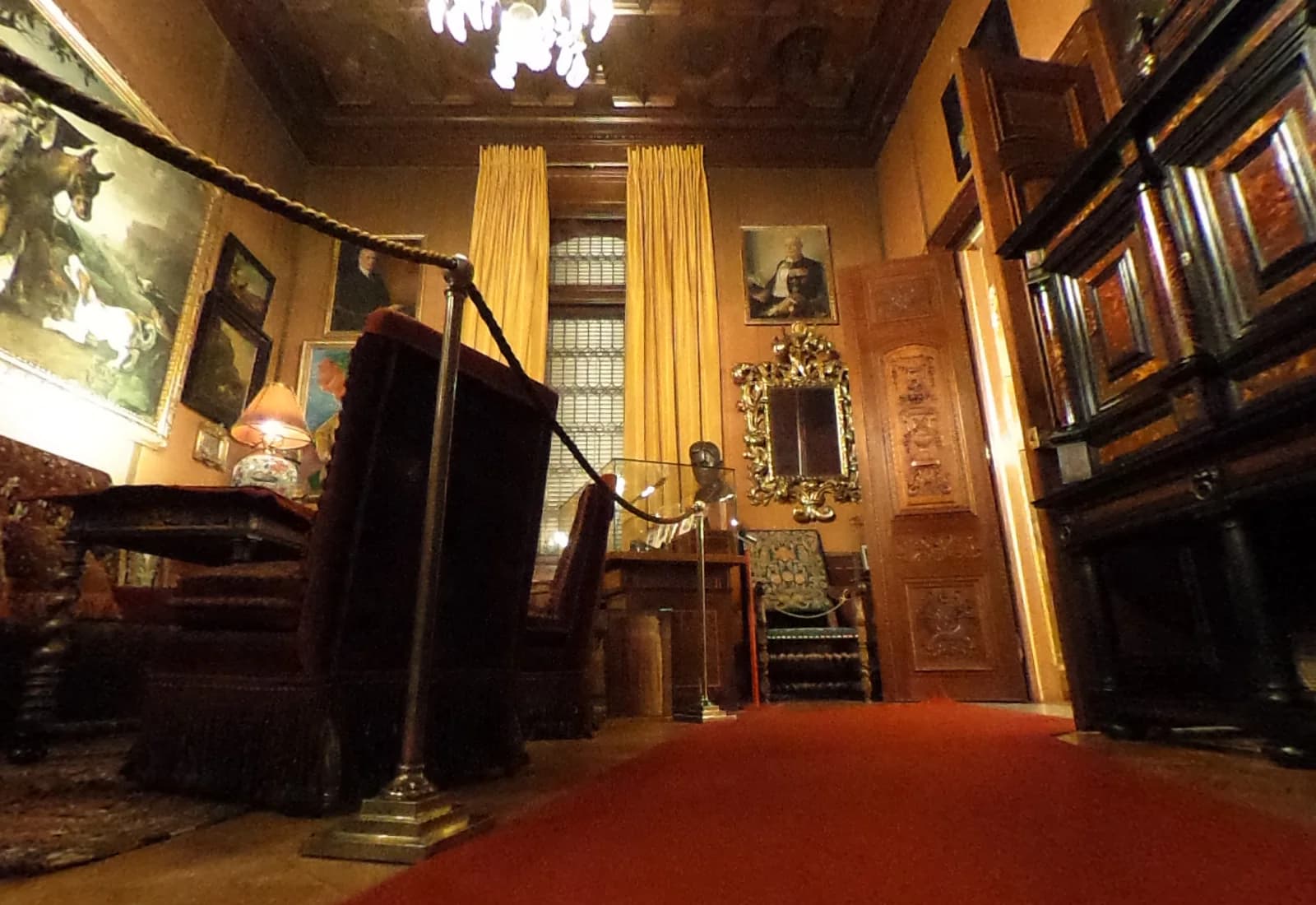 03
Conversation & games
An intimate setting for evening coffee, conversation and games, furnished with richly patterned textiles.
Museum room notes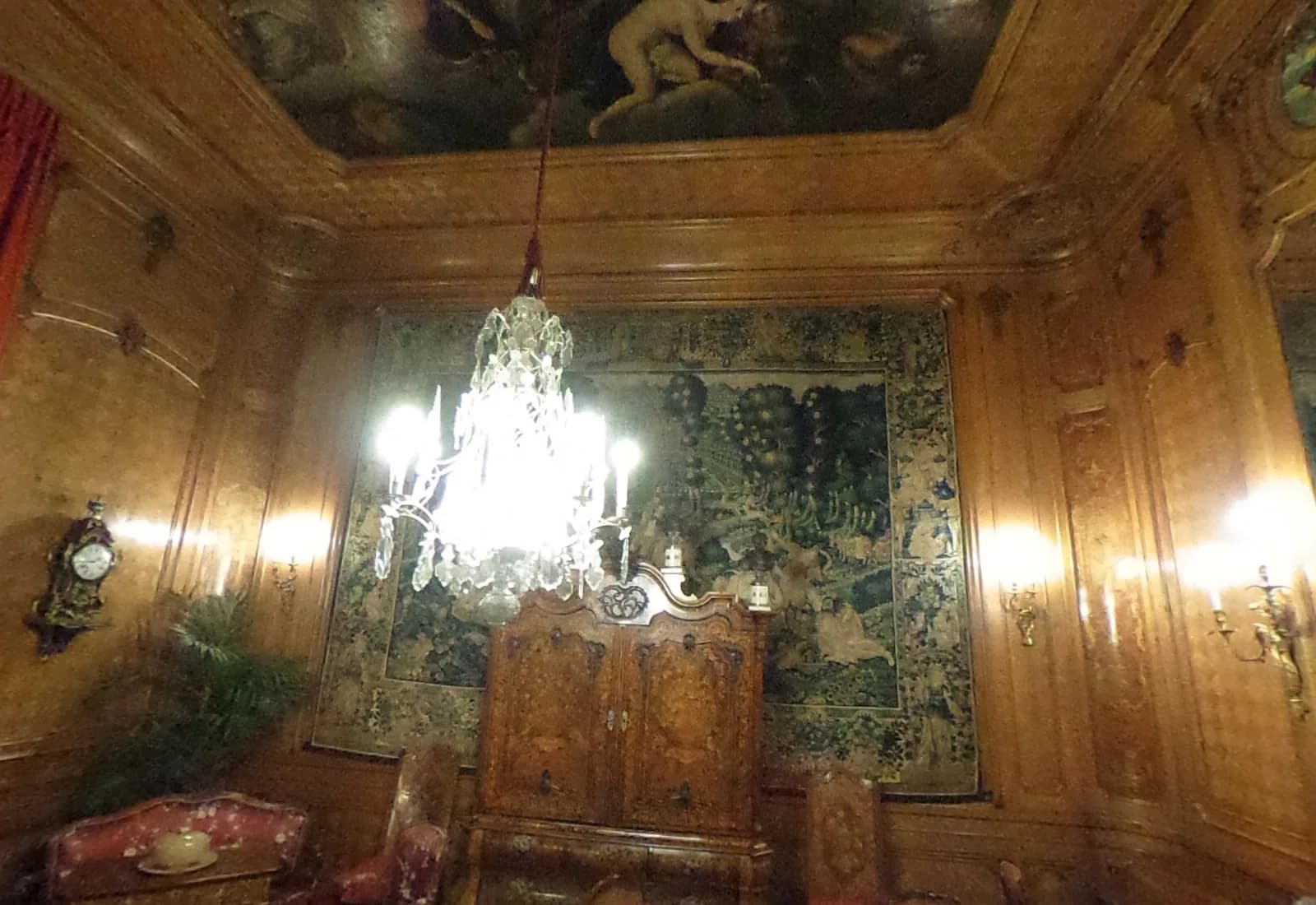 04
A Rococo-inspired retreat
Curved woodwork, antique furniture and tapestries bring together Wilhelmina’s collections in a Rococo-inspired interior.
Museum room notesA home becomes a museum
Built between 1893 and 1898 for Wilhelmina and Walther von Hallwyl, the house was designed by Isak Gustaf Clason. Its richly varied historic interiors were created around Wilhelmina’s collections of art and antiques.
The house and its contents were donated to the Swedish nation in 1920. When the museum opened to the public in 1938, a private world became a shared cultural inheritance.
History of the house — official museum source ↗